
"coffee planting season"
6000 article(s) found

Introduction to Kenyan Coffee Flavor characteristics of Kenya AB Kirin Yajia Longyedo Cooperative
Professional coffee knowledge exchange more coffee bean information please follow the coffee workshop (Wechat official account cafe_style) Kenya AB Kirinyaga Rungeto washed Kenya AB Kirin Yajia Longyado Cooperative washing Kenya AB Kirinyaga Rungeto washed production country: Kenya Kenya bean seed: SL34, K7, SL28 Origin: Kirin Asia Kiri

A brief introduction to the market price of glossy Kenyan boutique coffee beans
Coffee cultivation in Kenya is mainly divided into two types: large farms (Estate) and cooperatives (Cooperatives). The former generally has a large planting area and has independent coffee processing facilities. Most coffee production is done by a large number of small farmers, who form coffee cooperatives. The Coffee Cooperative Society hired special managers to supervise the coffee handling of its members.
A brief introduction to the treatment method of grinding degree and baking degree of spicy and unrestrained Kenyan boutique coffee beans
Large coffee processing farms in Kenya usually have independent processing facilities. A large number of small farmers usually pick ripe coffee fruits by hand. Coffee picking is a labor-intensive job that requires the whole family to deploy and even hire workers during the harvest season. The fresh fruits of the picked coffee need to be promptly transported to the cooperative-owned coffee processing plant for pulping and transportation.

A brief introduction to the Market Price of Fruit-flavored Fine Coffee Bean varieties in Kenya
Bourbon Bourbon was first brought to Kenya for planting. In the 1950s, the then agricultural research institution Scott Laboratory selected two excellent hybrids, SL-28 and SL-34, through unremitting efforts, subverting the long-standing prejudice of artificial breeding without excellent natural varieties. SL-28 and SL-34 helped Kenyan Coffee form its own unique

Fruit Flavor Kenya Fine Coffee Bean Growing Location Climate Elevation Profile
Bourbon Bourbon was first brought to Kenya for cultivation. In the 1950s, Scott Laboratory, an agricultural research institution at that time, made unremitting efforts to select two excellent hybrids SL-28 and SL-34, overturning the long-standing bias that artificial breeding varieties were not excellent in natural varieties. SL-28 and SL-34 helped Kenyan coffee become unique

A brief introduction to the flavor, taste and aroma characteristics of delicious Kenyan boutique coffee beans
Almost all Kenyan coffee is sold through the coffee exchange in Nairobi, the capital. Coffee auctions are held at coffee exchanges every Tuesday during the harvest season. Traders with trading qualifications will get raw bean samples in advance, and after the cup test, they will choose the raw beans they like. In the following auction, the highest bidder will get. The coffee auction system in Kenya is considered

A brief introduction to the Origin, Development, History and Culture of delicious Kenyan Fine Coffee beans
Almost all Kenyan coffee is sold through the coffee exchange in Nairobi, the capital. Coffee auctions are held at coffee exchanges every Tuesday during the harvest season. Traders with trading qualifications will get raw bean samples in advance, and after the cup test, they will choose the raw beans they like. In the following auction, the highest bidder will get. The coffee auction system in Kenya is considered

A brief introduction to the Market Price of Fine Coffee Bean varieties in Kenya
Like the choice of other coffee producing countries, although SL-28 and SL-34 have stood the test of time and cultivated generation after generation of faithful pumps for Kenyan coffee, the Kenyan government and the Coffee Research Institute (Coffee Research Foundation) have begun to promote a new variety, Ruiri 11, for the sake of coffee yield and disease resistance.

A brief introduction to the flavor and aroma characteristics of Kenyan boutique coffee beans
Coffee cultivation in Kenya is mainly divided into two types: large farms (Estate) and cooperatives (Cooperatives). The former generally has a large planting area and has independent coffee processing facilities. Most coffee production is done by a large number of small farmers, who form coffee cooperatives. The Coffee Cooperative Society hired special managers to supervise the coffee handling of its members.

A brief introduction to the cultivation of spicy and unrestrained boutique coffee beans in Kenya, geographical location, climate and altitude
Coffee cultivation in Kenya is mainly divided into two types: large farms (Estate) and cooperatives (Cooperatives). The former generally has a large planting area and has independent coffee processing facilities. Most coffee production is done by a large number of small farmers, who form coffee cooperatives. The Coffee Cooperative Society hired special managers to supervise the coffee handling of its members.
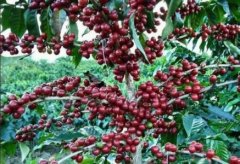
High-quality coffee beans with rich layers: 990 + planting situation of fine coffee beans, geographical location, simple climate, simple altitude
Red Honey Kiss (Nekisse Red N2): [Origin]: 90 + Ethiopia Wellega (Waliga) and Sidama (Hidamo) production areas [season]: 2013-2014 [Variety]: Ethiopian Native species [Level]: 39 [altitude]: 17502000m [treatment]: sun [flavor]: red treatment enhances blueberry, cherry, brandy

A brief introduction to the cultivation of delicious Kenyan boutique coffee beans, geographical location, climate and altitude
Like the choice of other coffee producing countries, although SL-28 and SL-34 have stood the test of time and cultivated generation after generation of faithful pumps for Kenyan coffee, the Kenyan government and the Coffee Research Institute (Coffee Research Foundation) have begun to promote a new variety, Ruiri 11, for the sake of coffee yield and disease resistance.

Coffee planting and picking-Kenya Coffee picking season
Coffee planting and picking-during the Kenyan coffee picking season, this method uses random sticks to hit ripe fruit or shake coffee branches, causing the fruit to fall and pile up. Larger estates use large harvesters, while small and medium-sized farms harvest with a sea of people mobilized by the whole family. This method of shaking the fruit off the ground is easier to mix with impurities and defective beans than the hand-picking method.

A brief introduction to the treatment method of grinding degree and baking degree of glossy Kenyan boutique coffee beans
Bourbon Bourbon was first brought to Kenya for planting. In the 1950s, the then agricultural research institution Scott Laboratory selected two excellent hybrids, SL-28 and SL-34, through unremitting efforts, subverting the long-standing prejudice of artificial breeding without excellent natural varieties. SL-28 and SL-34 helped Kenyan Coffee form its own unique

A brief introduction to the Origin, Development, History and Culture of Fruit-flavored Kenyan Fine Coffee beans
Mainly by large farms (Estate) and cooperatives (Cooperatives) two types. The former generally has a large planting area and has independent coffee processing facilities. Most coffee production is done by a large number of small farmers, who form coffee cooperatives. The coffee cooperative society employs special managers to supervise the coffee handling process of its members, even fine enough.

When does coffee bloom and what season results?
Although coffee was discovered in the Middle East, the coffee tree originated in a region of Africa now Ethiopia called Kaffa, from which coffee spread to Yemen, the Arabian Peninsula and Egypt, where coffee developed rapidly and quickly became popular in people's daily lives. By the 16th century, early traders were selling coffee in Europe.

Introduction of Kenya Ruby Cooperative Coffee beans in 2018 New season. What is the flavor of pure SL varieties?
Professional coffee knowledge exchange more coffee bean information please follow the coffee workshop (Wechat official account cafe_style) 2018 new season Kenya coffee-ruby cooperative exquisite washing black plum flavor pure SL coffee producing area. Nyeri Country, Kenya processing plant. Githiru Cooperative altitude. 1650 M beans. SL28 & SL34 /

A brief introduction to the treatment method of grinding degree and baking degree of fruit-flavored Kenyan fine coffee beans
Bourbon Bourbon was first brought to Kenya for planting. In the 1950s, the then agricultural research institution Scott Laboratory selected two excellent hybrids, SL-28 and SL-34, through unremitting efforts, subverting the long-standing prejudice of artificial breeding without excellent natural varieties. SL-28 and SL-34 helped Kenyan Coffee form its own unique

18 new production season Yunnan Baoshan small fine sun-cured coffee beans introduction _ Baoshan small coffee how to drink?
Professional coffee knowledge exchange more coffee bean information Please follow the development track of a national bean in the coffee workshop (Wechat official account cafe_style) Baoshan, as one of the first areas in Yunnan to grow coffee, has been planting on a large scale since the 1950s and has a history of more than 60 years. According to exact historical records, Baoshan Coffee was first made in the Gaoligong Mountain Resort in 1952.

A brief introduction to the treatment method of grinding degree and baking degree of Kenyan boutique coffee beans with rich taste
Coffee cultivation in Kenya is mainly divided into two types: large farms (Estate) and cooperatives (Cooperatives). The former generally has a large planting area and has independent coffee processing facilities. Most coffee production is done by a large number of small farmers, who form coffee cooperatives. The Coffee Cooperative Society hired special managers to supervise the coffee handling of its members.